Guide 06 Yorkshire history
Yorkshire industrial museums to visit: mills, railways and steel
You can see Yorkshire's industrial past at working mills, on a heritage railway and in a former steelworks. Here is a short guide to the best known places, what each shows and how to combine them.
How to choose
The best industrial museums let you see a process, not just objects. Choose by theme: textiles, railways, steel or planned villages. Then check each museum's own website for opening days, prices and what is on display, because opening patterns change and some sites are run by volunteers. We list places and what they are known for, not timetables.
Textiles: Armley Mills and Bradford Industrial Museum
Leeds Industrial Museum at Armley Mills occupies a historic woollen mill on the River Aire in Leeds, with textile machinery and exhibits on the clothing trade. Bradford Industrial Museum, in a former worsted spinning mill at Moorside, tells the story of the city's textile and engineering past. Together they explain the step from fleece to finished cloth better than any book.
Railways: York and Middleton
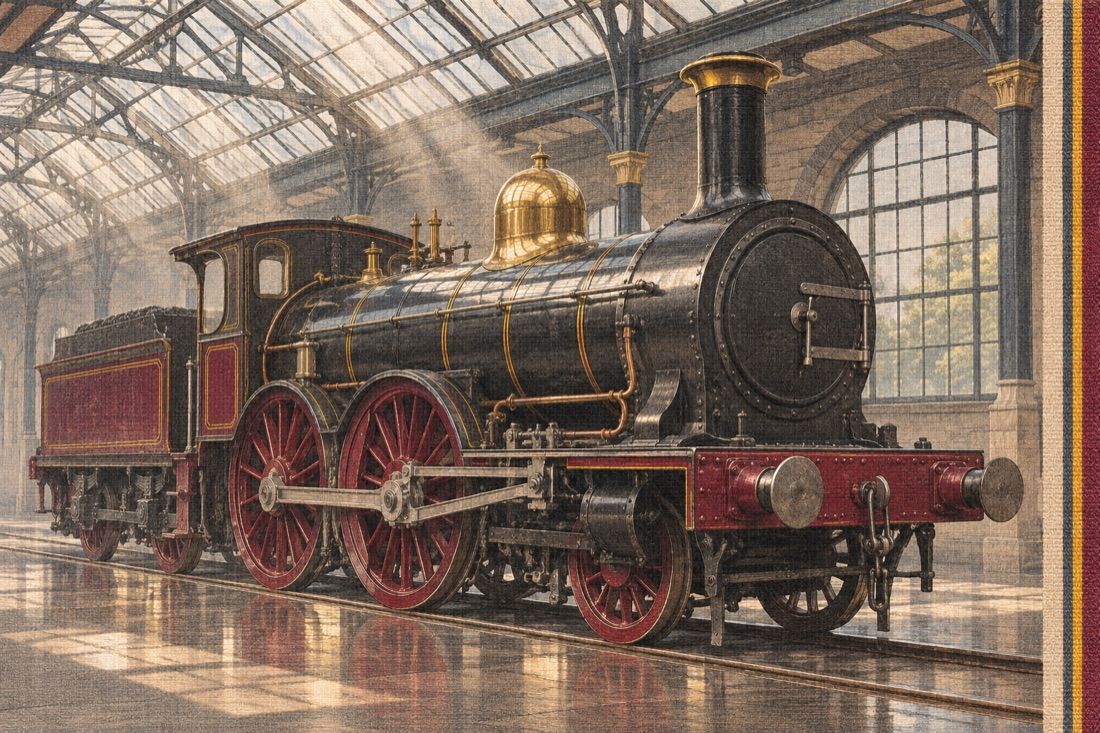
The National Railway Museum in York holds the national collection of railway vehicles and records and is one of the great railway museums of the world. For the beginnings of steam railways, the Middleton Railway in Leeds is a volunteer run heritage line on a route that dates to the eighteenth century. In 1812 steam locomotives began working on its colliery line, among the first commercially successful ones. It runs on selected days, so plan ahead.
Steel: Kelham Island, Sheffield
Kelham Island Museum in Sheffield sits on one of the city's oldest industrial sites and shows how the city made steel, tools and cutlery. It is the natural stop for anyone interested in the story of Brearley, Huntsman and Sheffield's metal trades, which you can read about in famous Yorkshire inventions.
Saltaire and Salts Mill
Saltaire is a World Heritage Site and can be walked in a few hours, with Salts Mill, the canal and the planned streets close together. It is a place to understand how an owner housed and organised a workforce. Read the background in Saltaire World Heritage Site history before you go.
Planning a heritage trip
Leeds, Bradford and Saltaire sit close enough to combine in a weekend by train. York and Sheffield each deserve a day. Wear sturdy shoes for mills and canal paths, and ask whether machinery is shown running on the day you visit. If you want to see where a story began, start from the history and then pick the matching place.
What to look for in a mill or works museum
Ask whether machines are shown running, because a demonstration of a loom or a steam engine explains more in five minutes than a label does in an hour. Look for the building itself as well as the objects: the stone floors, the line shafts, the loading doors and the position of the engine house. Many museums run school sessions and family days, and these are often the best occasions to see things in motion.
Reading before you go
A little background makes any visit richer. Start with the story of wool and worsted before a textile museum, and with the industrial revolution overview before a railway or steel visit. A short list of questions helps children too: what powered this, who worked here and what did it make.